+86-13819126663
Odvlaživači za muzeje, arhive i biblioteke video

Odvlaživači za muzeje, arhive i biblioteke

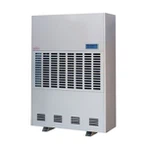
240L Odvlaživač za muzeje

Opis

Odvlaživači za muzeje, arhive


Glavne karakteristike:

1. Primjena velikih površina: veliki kapacitet odvlaživanja, pogodan za velike zahtjeve za odvlaživanjem, veliki ciklus vjetra


2, ultra-širok raspon vlažnosti: 20% -90% ultra-širok raspon vlažnosti, može zadovoljiti potrebe različitih mjesta odvlaživanja, može fleksibilno odgovoriti na ekstremna okruženja


3, podrška kontinuirana odvodnja: vanjski cijev za odvod, izravan pristup kanalizacijskoj cijevi, prikladna drenaža


4, inteligentna dehumidification: sadrži pametne čipove, automatski će inteligentno odvlaživanje u skladu s trenutnom vlažnosti okoliša, nema potrebe za gledanje


5, inteligentna greška: automatski određuje lokaciju greške i povratnu informaciju na LCD ekranu radi održavanja


6, dvosmjerno vrijeme: može postaviti vrijeme dizanja i vrijeme isključivanja u skladu s radnim zahtjevima, jednostavan za rukovanje


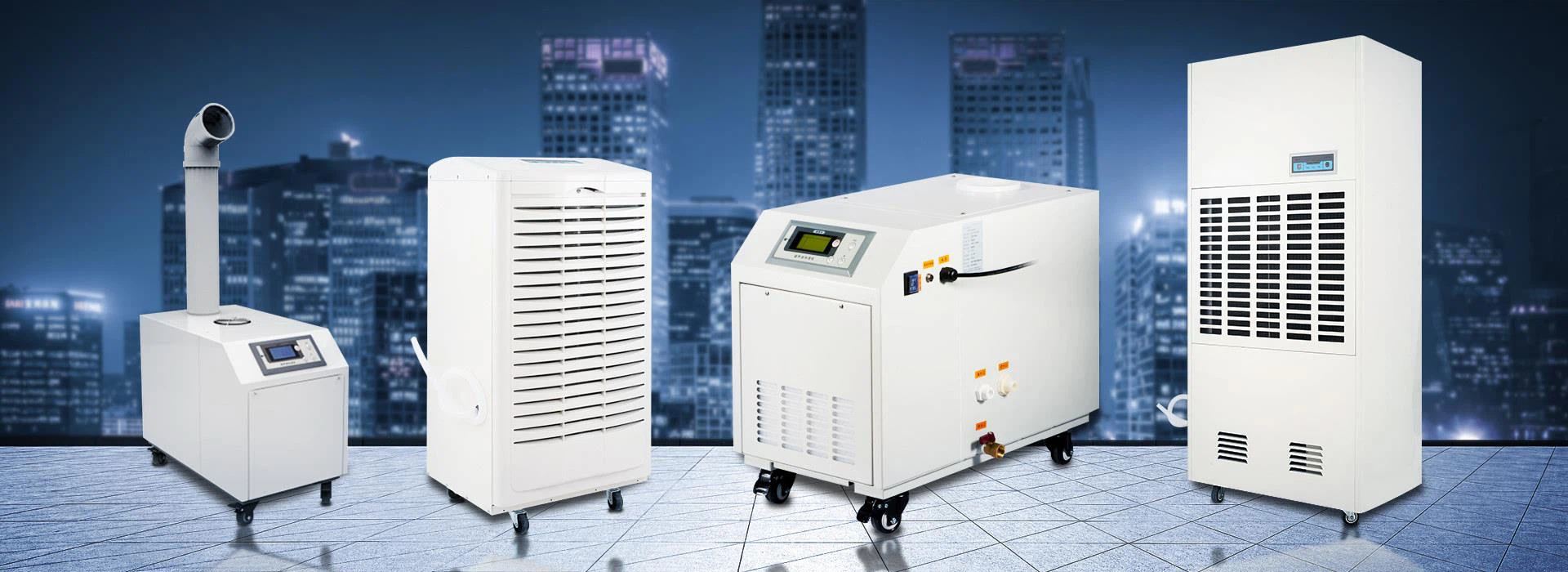
Fotografije proizvoda:

Dehumidifiers for Museums, Archives and Libraries

Dehumidifiers for Museums, Archives and Libraries

Detaljni parametri:

Model DH-5168C
Uklanjanje vlažnosti 168L / D ili 7L / H
Izvor napajanja 380V / 50HZ
Nazivni ulaz snage 3.2KW
Struja struje 6.2A
Radna temperatura 5-38
Circulating Air 1600M3 / h
Rashladno sredstvo R22 / R407C
Neto težina 108Kg
Bruto težina 118Kg
Primjena prostora 150 m2 200m2
Dimenzija proizvoda 405x605x1620mm
Packing Dimension 485x655x1680mm
Loading Qty 33pcs / 20ft
Period proizvodnje 10 dana
Garancija 1 godina

Aplikacija za dehumidifier u muzejima, arhivima i biblioteci

Koncept vlažnosti (apsolutna vlažnost i relativna vlažnost) obično je uključen u proučavanje muzejskih ekoloških studija. Da bi se razumjela vlažnost, potrebno je razumjeti odnos između relativne vlažnosti i apsolutne vlažnosti. Vazduh oko nas sadrži određenu količinu vodene pare, koja se zove vlažan vazduh; vazduh koji je teoretski bez vodene pare naziva se suvi vazduh. Apsolutna vlažnost je odnos mase vodene pare u vazduhu i ukupne količine vlažnog vazduha. To je mjera količine vodene pare u zraku.


Pod određenim uvjetima temperature, odnos sadržaja vode u zraku prema sadržaju vode pri kojoj vodena para u zraku doseže točku zasićenja je ono što obično nazivamo relativna vlažnost. Kada vlaga u vazduhu dostigne najviši nivo, ona se naziva zasićenje. Relativna vlažnost u ovom slučaju je 100%.


Temperatura može da utiče na količinu vode koja se može uskladištiti u vazduhu. Što je temperatura viša, to je voda veća. Stoga se apsolutna vlažnost (sadržaj vode) ne mijenja. Što je temperatura viša, to je niža relativna vlažnost. Ako je težina vodene pare u zraku konstantna, a temperatura se mijenja, relativna vlažnost može značajno varirati.


Na primer, za muzeje u poluotvorenom okruženju, kolekcije uključujući metalne predmete mogu biti izložene višoj temperaturi i relativnoj vlažnosti tokom izlaganja, ali iz nekog razloga artefakti se pomeraju u okruženju niske temperature, zbog promene temperatura, vodena para oko metalnih artefakata će se kondenzovati u hladnim uslovima, uzrokujući "kondenzaciju". Fenomen kondenzacije vodene pare na površini metalnih artefakata je važan uzrok korozije metalnih artefakata.


Osim toga, vlažnost okoline u kojoj se nalazi zbirka je prevelika, što čini zbirke sa slabom otpornošću na vodu, kao što je papir, boja slika potamnjena, i sklona je mrljama plijesni; i ako je vlažnost preniska, drvo i lakovi će se razbiti. . Stoga je kontrola sadržaja vlage i temperature atmosfere u muzeju veoma važna.


Danas, mnogi muzeji i galerije u zemlji i inostranstvu počeli su da koriste regulatore vlage u atmosferi, apsorberi vlage, itd. Da bi prilagodili vlažnost izložbenog prostora i skladišta i dobili određene rezultate.

The concept of humidity (absolute humidity and relative humidity) is usually involved in the study of museum environmental studies. In order to understand the humidity, it is necessary to understand the relationship between relative humidity and absolute humidity. The air around us contains a certain amount of water vapor, which is called wet air; the air that is theoretically free of water vapor is called dry air. Absolute humidity is the ratio of the mass of water vapor in the air to the total volume of humid air. It is a measure of the amount of water vapor in the air.  Under certain conditions of temperature, the ratio of the water content in the air to the water content at which the water vapor in the air reaches the saturation point is what we usually call relative humidity. When the moisture in the air reaches the highest level, it is called saturation. The relative humidity in this case is 100%.  The amount of water that can be stored in the air is affected by the temperature. The higher the temperature, the more the water is. Therefore, the absolute humidity (water content) does not change. The higher the temperature, the lower the relative humidity. If the weight of water vapor in the air is constant and the temperature changes, the relative humidity may vary greatly.  For example, for museums in a semi-open environment, collections including metal artifacts may be exposed to a higher temperature and relative humidity during the exhibition, but for some reason the artifacts are moved to In a low temperature environment, due to the change of temperature, the water vapor around the metal artifacts will condense under cold conditions, causing


The concept of humidity (absolute humidity and relative humidity) is usually involved in the study of museum environmental studies. In order to understand the humidity, it is necessary to understand the relationship between relative humidity and absolute humidity. The air around us contains a certain amount of water vapor, which is called wet air; the air that is theoretically free of water vapor is called dry air. Absolute humidity is the ratio of the mass of water vapor in the air to the total volume of humid air. It is a measure of the amount of water vapor in the air.  Under certain conditions of temperature, the ratio of the water content in the air to the water content at which the water vapor in the air reaches the saturation point is what we usually call relative humidity. When the moisture in the air reaches the highest level, it is called saturation. The relative humidity in this case is 100%.  The amount of water that can be stored in the air is affected by the temperature. The higher the temperature, the more the water is. Therefore, the absolute humidity (water content) does not change. The higher the temperature, the lower the relative humidity. If the weight of water vapor in the air is constant and the temperature changes, the relative humidity may vary greatly.  For example, for museums in a semi-open environment, collections including metal artifacts may be exposed to a higher temperature and relative humidity during the exhibition, but for some reason the artifacts are moved to In a low temperature environment, due to the change of temperature, the water vapor around the metal artifacts will condense under cold conditions, causing

Popularni tagovi: Odvlaživači za muzeje, arhive i bibliotekeKina, proizvođači, dobavljači, tvornica, veleprodaja

Pošaljite upit

(0/10)

clearall